When someone asks what performance in marketing means, they’re not looking for fluff. They want to know one thing: is your marketing working?
At its core, performance marketing is about outcomes. It focuses on results—measurable, trackable, and tied directly to specific actions like clicks, leads, or sales. That’s what makes it such a powerful force in digital advertising today.
But how do you actually make it work for your business?
Let’s break it down.
Why performance marketing matters more than ever
Traditional advertising used to be all about reach and impressions. You placed your ad and hoped it made an impact. But in today’s digital-first environment, hope isn’t a strategy.
Performance marketing flips the script. You only pay when there’s a result—like a click, a lead, or a sale. That means you can tie every dollar back to a real business outcome.
It’s no surprise that pay-per-click advertising companies and digital marketing agencies across Europe and beyond are shifting their entire model around performance. When budgets are tight and results are expected fast, accountability isn’t optional—it’s everything.
The core building blocks of performance marketing
There are two sides to the performance marketing coin: paid media and organic growth. Both matter. The key is knowing when—and how—to use each one.
Paid media: where the money talks
Paid performance channels are your fast movers. They’re precise, scalable, and they give you control.
Search (PPC). You bid on keywords and pay only when someone clicks. It’s intent-driven and can deliver immediate traffic.
Paid social. Facebook, Instagram, LinkedIn, TikTok—each platform offers unique ways to reach audiences with precision targeting, creative formats, and performance metrics that matter.
Native ads. These blend into the content your audience is already consuming, offering a more natural, less disruptive experience.
Organic channels: the long game
Performance marketing isn’t just about what you pay for. Owned and earned channels also drive results.
SEO. Getting your site to rank on search engines doesn’t happen overnight, but it delivers compounding results over time. When done right, it’s one of the most cost-effective channels out there.
Content marketing. Think blog posts, whitepapers, videos—anything that builds trust, educates, and nurtures. High-value content fuels SEO, engages prospects, and converts visitors.
Understanding performance models: how you pay matters
One of the defining features of performance marketing is the model. You don’t just throw money at ads and hope for the best. You choose a payment structure that aligns with your goals.
Cost Per Click (CPC). You pay when someone clicks on your ad. Great for driving traffic and measuring engagement.
Cost Per Lead (CPL). You pay when someone fills out a form or signs up. Ideal for B2B or service-based offers.
Cost Per Acquisition (CPA). You only pay when someone completes a purchase or conversion. High intent, high value.
Cost Per Mille (CPM). You pay per thousand impressions. Less common in pure performance models, but useful when awareness is a goal alongside action.
The best model? Depends on your objective. If you want sales, CPA wins. If you need leads, go CPL. Testing and optimizing over time is key.
The tools that power it all
Performance marketing isn’t guesswork. It’s fueled by data, powered by tools, and driven by clear insights.
CRM systems. These help you track and manage customer interactions across the funnel. Knowing who’s converting—and why—is everything.
Marketing automation. Tools like HubSpot or Klaviyo let you personalize outreach, score leads, and nurture prospects without lifting a finger.
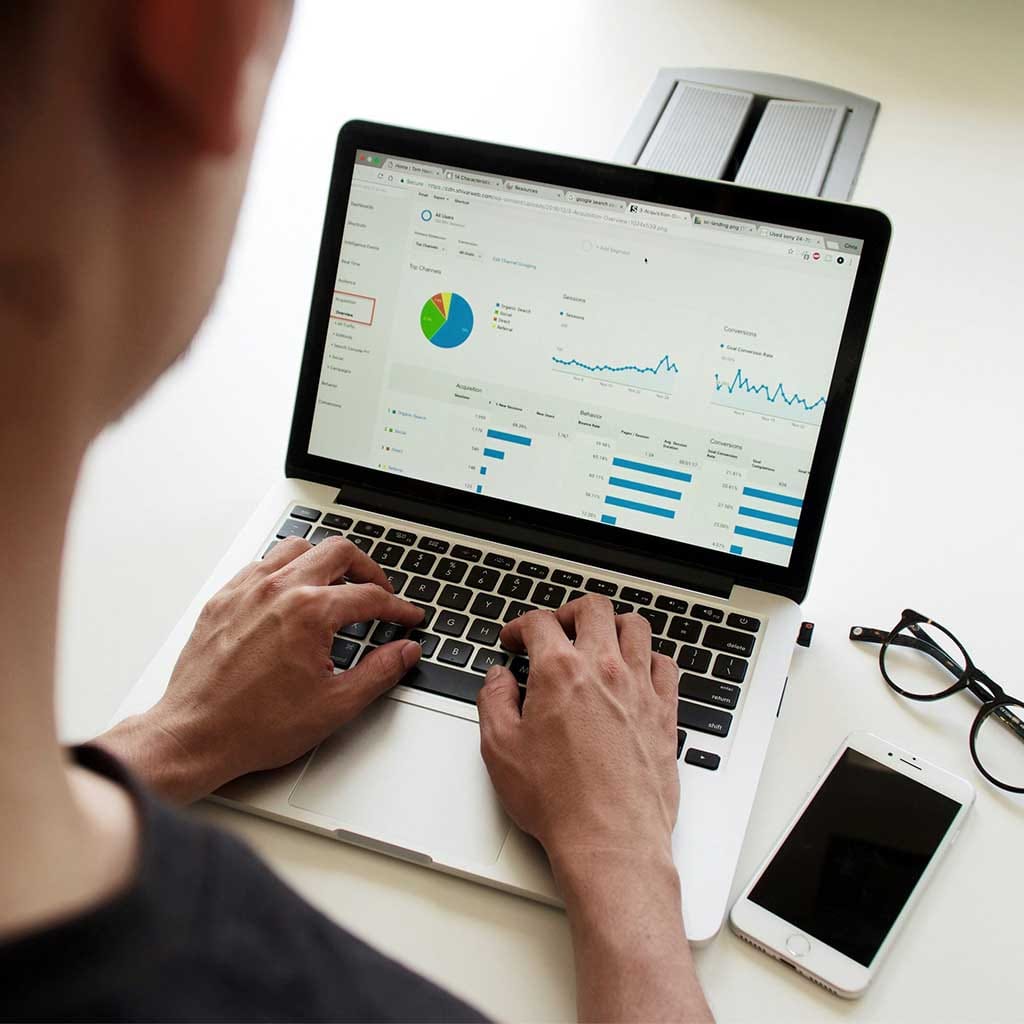
BI and reporting tools. Platforms like Google Data Studio or Tableau help you visualize and act on performance data in real time.
Attribution modeling. Understand which touchpoints matter most. Did a lead convert because of a paid search ad or an email? Attribution helps you spend smarter.
When data meets creativity
Here’s the truth most marketers ignore: data alone isn’t enough. Your creative matters just as much.
Strong creative strategies—whether it’s sharp copy, standout visuals, or compelling user-generated content—can be the difference between a scroll-past and a sale.
Pair that with lifetime value (LTV) analysis, and you’ve got a formula that optimizes not just for conversions, but for long-term growth.
Why performance marketing wins
If you’re still wondering whether performance marketing is worth it, here’s what you’re really asking: do you want marketing that moves the needle?
It’s measurable. You can see what’s working, what’s not, and optimize in real time.
It’s cost efficient. No more wasting budget on campaigns that don’t perform.
It’s precise. You can target based on behaviors, demographics, interests—whatever makes sense for your customer.
It’s scalable. Want more leads? Dial up the budget. Want to test new audiences? Launch a new campaign.
It’s strategic. Every insight you get can inform broader business decisions.
Building a performance marketing strategy that actually works
Throwing money at ads isn’t a strategy. Building one that works? That takes a little more thought.
Start by defining clear goals. Are you trying to drive sales, build leads, or increase brand visibility?
Choose the right channels. If you’re a B2B brand, LinkedIn might outperform TikTok. But don’t assume—test.
Do your market research. Know your competitors. Understand your audience. Don’t skip this step.
Set up tracking and analytics from day one. Google Tag Manager, UTMs, event tracking—get your foundation right early.
And finally, optimize continuously. Run A/B tests. Dive into your data. Make adjustments weekly, not yearly.
Mistakes to avoid (and what to do instead)
Performance marketing isn’t foolproof. Even smart brands trip up.
Misaligned KPIs. Don’t chase clicks if what you need is conversions. Align your goals with your metrics.
Wrong channels. Just because everyone’s on TikTok doesn’t mean your audience is.
Neglecting data. Data is your best friend—if you actually use it. Don’t just report. Analyze. Act.
Poor budgeting. Don’t spread your budget too thin. Go deep on what works, not wide on what’s trendy.
What success looks like: real examples
At Focus Pocus Media, we’ve helped brands across industries turn performance marketing into a competitive edge.
We’ve scaled eCommerce brands from zero. For B2B clients, we’ve built demand gen systems that shorten sales cycles and multiply pipeline. And for consumer brands, we’ve launched paid social campaigns that outperform benchmarks and brought 30% more qualified prospects.
What’s the common thread? Strategy, execution, and a relentless focus on outcomes.
What’s next for performance marketing?
AI and automation are reshaping how campaigns are launched, optimized, and scaled. Expect smarter bidding, better targeting, and more predictive insights.
New platforms—like retail media networks and streaming ads—are expanding the possibilities for performance channels.
But what won’t change? The need to measure impact and justify every dollar spent.
Final thoughts
Performance in marketing isn’t a buzzword. It’s a mindset. It’s about aligning strategy, creativity, and data to produce results you can prove.
If you’re ready to cut through the noise and focus on what actually drives growth, we’re here to help.
Let’s talk. Connect with Focus Pocus Media and find out how a performance-first approach can transform your marketing.